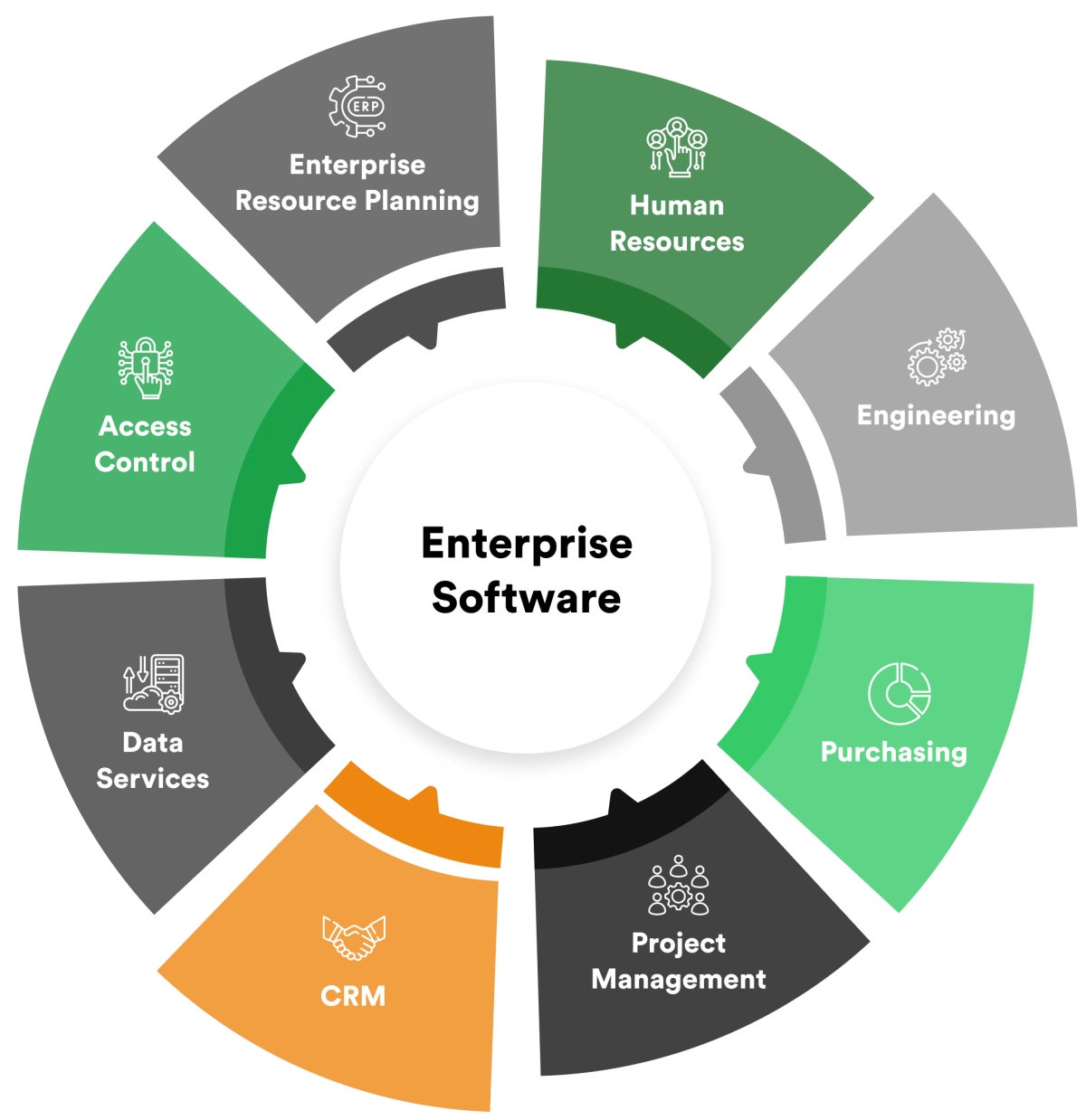
Enterprise software development is evolving faster than ever. As organizations embrace digital transformation, IT decision-makers face increasing pressure to build secure, scalable, and future-ready software solutions. Rapid advances in artificial intelligence, cloud computing, automation, and cybersecurity are redefining how enterprise applications are designed, deployed, and maintained.
Modern enterprises are no longer looking for software that simply supports operations—they need intelligent platforms that improve efficiency, enable data-driven decisions, enhance customer experiences, and adapt quickly to changing business needs.
This article explores the most important enterprise software development trends in 2026 and explains why they matter for organizations planning their technology roadmap.
Build Future-Ready Enterprise Software Solutions
As businesses modernize their operations and embrace digital transformation, they need enterprise software that is scalable, secure, and adaptable to evolving business requirements. Our Custom Software Development Services help businesses build tailored enterprise applications, automate complex workflows, integrate existing systems, and create scalable platforms that support long-term business growth.
Why Enterprise Software Development Is Changing
Today's enterprises operate in a highly competitive environment where speed, flexibility, and innovation are essential. Legacy systems often struggle to keep pace with modern business requirements, leading organizations to invest in digital-first solutions.
Key drivers behind this shift include:
- Increasing demand for business automation
- Growing cybersecurity threats
- Rising customer expectations
- Expansion of cloud technologies
- AI-powered business operations
- Remote and hybrid work environments
- Real-time data analytics
- Regulatory and compliance requirements
To remain competitive, organizations must adopt software development strategies that prioritize scalability, resilience, and continuous innovation.
1. AI-Driven Enterprise Applications
Artificial intelligence has become a core component of enterprise software rather than an optional feature.
Businesses are embedding AI into applications to:
- Automate repetitive tasks
- Improve customer support with intelligent assistants
- Generate predictive insights
- Detect fraud and anomalies
- Optimize business processes
- Personalize user experiences
Generative AI is also helping development teams accelerate coding, documentation, testing, and knowledge management, reducing development time while improving productivity.
2. Cloud-Native Development
Cloud-native architecture continues to dominate enterprise software development.
Instead of building monolithic applications, organizations are creating cloud-first solutions that offer greater flexibility and scalability.
Benefits include:
- Faster deployments
- Automatic scaling
- Lower infrastructure costs
- Improved disaster recovery
- Global accessibility
- High availability
Public, private, and hybrid cloud environments allow enterprises to choose the deployment model that best fits their security, compliance, and operational requirements.
3. Microservices Architecture
Large enterprise systems are increasingly being broken into independent services that communicate through APIs.
Compared with traditional monolithic applications, microservices provide:
- Independent deployments
- Easier maintenance
- Faster feature releases
- Better scalability
- Improved fault isolation
- Greater development flexibility
Development teams can update individual services without affecting the entire application, enabling continuous innovation.
4. Low-Code and No-Code Development
Organizations are adopting low-code platforms to accelerate software delivery and reduce development bottlenecks.
Business users and professional developers can collaborate to build internal applications more efficiently.
Common use cases include:
- Workflow automation
- Internal dashboards
- Customer portals
- Approval systems
- Reporting tools
While complex enterprise systems still require custom development, low-code platforms significantly shorten delivery timelines for many business applications.
5. Cybersecurity by Design
Security is no longer treated as the final stage of development.
Modern enterprise software integrates security throughout the Software Development Lifecycle (SDLC).
Key practices include:
- Secure coding standards
- Identity and access management
- Multi-factor authentication
- API security
- Data encryption
- Continuous vulnerability scanning
- Compliance monitoring
Organizations adopting a "security-first" mindset reduce operational risks while maintaining customer trust.
6. API-First Development
APIs have become the foundation of connected enterprise ecosystems.
API-first development enables seamless integration between:
- CRM platforms
- ERP systems
- Payment gateways
- HR software
- Customer support tools
- Marketing platforms
- Third-party applications
This approach improves interoperability and allows businesses to expand capabilities without replacing existing systems.
7. Intelligent Automation
Automation is evolving beyond simple workflows.
Modern enterprise software combines AI, robotic process automation (RPA), and business rules to automate complex processes such as:
- Invoice processing
- Employee onboarding
- Procurement
- Customer service
- Document verification
- Compliance reporting
Intelligent automation reduces manual effort, minimizes errors, and improves operational efficiency.
8. Data-Driven Decision Making
Enterprise applications increasingly include advanced analytics and real-time reporting.
Organizations are investing in:
- Interactive dashboards
- Predictive analytics
- Business intelligence
- Real-time monitoring
- KPI tracking
- Data visualization
Access to accurate insights enables executives and managers to make informed decisions more quickly.
9. DevSecOps and Continuous Delivery
Development teams are integrating development, security, and operations into a unified workflow.
Benefits include:
- Faster software releases
- Automated testing
- Continuous integration
- Continuous deployment
- Improved collaboration
- Reduced production issues
Embedding security into every stage of development helps organizations deliver software rapidly without compromising quality.
10. Modern User Experience (UX)
Enterprise software is no longer built only for technical users.
Employees expect business applications to provide the same intuitive experience as consumer apps.
Modern UX focuses on:
- Clean interfaces
- Mobile responsiveness
- Accessibility
- Personalized dashboards
- Simplified workflows
- Faster navigation
An improved user experience increases productivity, reduces training requirements, and drives user adoption.
11. Enterprise Mobility
Mobile-first strategies continue to grow as hybrid work becomes the norm.
Enterprise mobile applications enable employees to:
- Access business data remotely
- Approve workflows
- Monitor operations
- Communicate with teams
- Complete field tasks
- Track performance
Cross-platform development frameworks also reduce development costs while maintaining consistent experiences across devices.
12. Sustainability and Green Software
Organizations are becoming more conscious of software's environmental impact.
Green software practices include:
- Optimizing application performance
- Reducing infrastructure waste
- Efficient cloud resource utilization
- Energy-aware coding
- Sustainable hosting strategies
Sustainability is increasingly becoming part of enterprise technology planning and corporate ESG initiatives.
To maximize long-term value, IT leaders should:
- Align software initiatives with business objectives.
- Choose scalable architectures.
- Prioritize cybersecurity from day one.
- Invest in cloud-native technologies.
- Build API-driven ecosystems.
- Continuously monitor application performance.
- Use agile development methodologies.
- Incorporate AI where it delivers measurable value.
- Establish governance and compliance processes.
- Plan for ongoing maintenance and future enhancements.
A strategic approach ensures enterprise applications remain secure, adaptable, and capable of supporting business growth.
Transform Enterprise Operations with AI & Cloud Solutions
As enterprise software continues to evolve with artificial intelligence and cloud-native technologies, businesses need intelligent platforms that improve efficiency and support data-driven decision-making. Our AI & Cloud Solutions help businesses implement AI-powered automation, cloud infrastructure, and scalable enterprise applications that increase productivity, enhance security, and prepare organizations for future growth.
Challenges to Consider
Despite these advancements, organizations may face challenges such as:
- Legacy system modernization
- Data migration complexity
- Integration with existing platforms
- Managing cybersecurity risks
- Skill shortages
- Regulatory compliance
- Change management and user adoption
Addressing these challenges early in the planning phase can significantly improve project outcomes.
Conclusion
Enterprise software development in 2026 is defined by intelligence, agility, and resilience. AI-powered applications, cloud-native architectures, microservices, automation, API-first strategies, and security-by-design are no longer emerging concepts—they are becoming standard expectations for modern enterprises.
For IT decision-makers, the focus should not only be on adopting new technologies but also on creating a long-term strategy that aligns technology investments with business goals. Organizations that embrace these trends will be better positioned to innovate faster, improve operational efficiency, strengthen security, and deliver exceptional user experiences.
Investing in modern enterprise software today lays the foundation for sustainable growth and competitive advantage in an increasingly digital business landscape.
Frequently Asked Questions (FAQs)
1. What is enterprise software development?
Enterprise software development involves designing and building applications that support large-scale business operations, such as ERP, CRM, HR, finance, supply chain, and customer management systems.
2. Why is cloud-native development important?
Cloud-native applications offer better scalability, flexibility, resilience, and cost efficiency while enabling faster deployments and easier maintenance.
3. How is AI transforming enterprise software?
AI enhances enterprise applications by automating workflows, generating predictive insights, improving customer support, strengthening security, and enabling smarter decision-making.
4. Why are microservices becoming popular?
Microservices allow independent development, deployment, and scaling of application components, making enterprise systems more flexible and easier to maintain.
5. What should IT decision-makers prioritize in 2026?
IT leaders should prioritize AI adoption, cloud-native architecture, cybersecurity, API-first integration, intelligent automation, and user-centric software design to build future-ready enterprise applications.